
The allure of risk and reward
The thrill of gambling in casinos stems largely from the inherent risk and reward system. Humans are naturally drawn to activities that provide excitement, and the unpredictable nature of games of chance offers a unique blend of adrenaline and engagement. The possibility of winning significant amounts of money stimulates the brain’s reward centers, releasing neurotransmitters such as dopamine, which create feelings of pleasure and satisfaction. Many enthusiasts often seek out the best online casino nz for their gambling needs, as this biochemical response not only enhances enjoyment but also reinforces the desire to gamble again, creating a continuous cycle of play. The more frequently players engage in this behavior, the more entrenched they become in the gambling experience, often leading to an increased frequency of visits to casinos.
Moreover, the allure of risk appeals to our innate curiosity and desire for novelty. Casino environments are specifically designed to be captivating, with dazzling lights, vibrant sounds, and engaging games that draw players in. The thrill of potentially winning or losing money adds an exhilarating edge to the experience. This psychological aspect often leads gamblers to return, driven by the excitement of uncertainty and the chase of a bigger win, making the casino an almost irresistible playground. As they experience the highs of winning, players become more eager to engage in the activity again, often rationalizing their losses as mere stepping stones toward future success.
Lastly, the element of competition can play a significant role in why people are drawn to gamble in casinos. Whether it’s competing against the dealer or other players at a table, the social dynamic creates a unique atmosphere that can intensify the thrill. Gamblers often thrive on the camaraderie and rivalry that can develop, which further enhances the overall experience. The race against fellow players fosters an environment of shared social interaction that can be both exhilarating and rewarding. The combination of risk and competition keeps players engaged, as they not only seek personal wins but also enjoy the social interactions that come with the gaming experience.
The role of cognitive biases
Cognitive biases play a critical role in the psychology of gambling, influencing how individuals perceive their chances of winning and their decision-making processes. One common cognitive bias is the « gambler’s fallacy, » where players believe that past outcomes affect future results. For instance, if a roulette wheel has landed on black several times consecutively, a player might feel that red is « due » to win. This misbelief can lead gamblers to make irrational decisions, often worsening their chances of success. Understanding this bias is crucial for players who wish to make more informed choices while gambling.
Another significant bias is the illusion of control, where individuals feel they can influence the outcome of a random event through their actions. This misconception is particularly evident in games such as blackjack or poker, where skill is involved. Players may believe that their expertise can sway the odds in their favor, leading them to take greater risks than they typically would if they acknowledged the inherent randomness of these games. This belief can lead to overconfidence, encouraging players to place larger bets and take on more risk than is prudent.
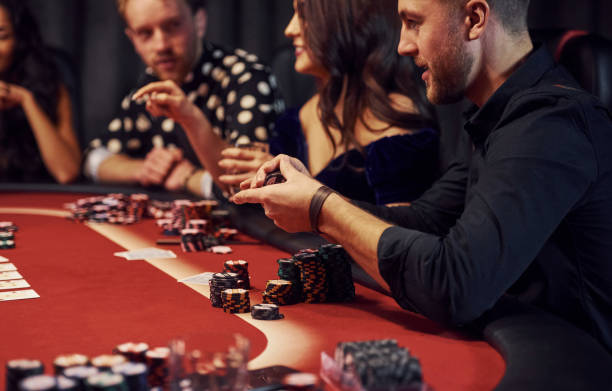
Furthermore, confirmation bias can lead gamblers to remember wins more vividly than losses. This tendency to focus on successful outcomes creates a skewed perception of their gambling prowess. For example, when recounting their experiences, individuals often highlight the times they won, neglecting to consider the frequency of their losses. This distorted self-perception can perpetuate continued gambling despite a lack of overall profitability, driving players back into the casino for another chance at victory. By addressing these cognitive biases, gamblers can better understand their behaviors and make more rational decisions in the future.
The social dimension of gambling
The social aspect of gambling is another compelling reason why people flock to casinos. Many individuals view gambling as a social activity, often attending with friends or family to enhance the experience. The shared excitement of wagering, celebrating wins, or even commiserating over losses can create strong bonds among players. This communal aspect often transforms ordinary gambling into a memorable event, further entrenching people in the practice. The social interactions that arise during gaming sessions can foster a sense of belonging, making the casino a desirable destination for many.
Additionally, casinos frequently provide amenities that foster social interactions, such as bars, restaurants, and entertainment venues. These features encourage guests to extend their stay and engage with one another, turning the gambling experience into a social affair rather than just a solitary pursuit. The ability to connect with others over shared experiences adds a layer of enjoyment that enhances the overall atmosphere and can be a significant draw for many clientele. This sense of community can also help alleviate feelings of isolation, making visits to the casino more appealing.
Moreover, the stigma associated with gambling is gradually diminishing, allowing more people to participate without fear of judgment. In many cultures, visiting a casino has evolved from a taboo to a popular social activity, further promoting its appeal. As a result, gambling has become a common pastime, where people gather not just to gamble but to socialize and enjoy the vibrant ambiance that casinos offer. This shift in perception has led to a broader acceptance of gambling as a legitimate form of entertainment, further driving its popularity.
The impact of environmental design
The design of casinos is meticulously crafted to enhance the gambling experience and draw players in. From the moment guests walk through the door, they are enveloped in an environment specifically engineered to stimulate their senses and keep them engaged. Elements such as color, lighting, and layout are strategically chosen to evoke feelings of excitement and comfort, encouraging extended stays. For example, deep reds and golds are often employed to create a luxurious atmosphere, while strategically placed lighting guides players’ attention toward gaming tables and machines. This carefully curated environment plays a crucial role in attracting and retaining players.

Casino soundscapes also play a significant role in setting the mood. The sounds of chimes, bells, and cheers are designed to elicit positive reinforcement when players win, creating a celebratory atmosphere that enhances the thrill of the game. This auditory stimulation, combined with the visual allure of bright lights and active gaming areas, contributes to a sensory overload that can be intoxicating. The overall ambiance encourages players to immerse themselves in the experience, often leading them to lose track of time and money spent.
Furthermore, the absence of clocks and windows in many casinos is a deliberate design choice aimed at disorienting players. By creating an environment that lacks external time cues, casinos encourage gamblers to lose track of how long they’ve been playing. This tactic can lead to longer gaming sessions, increasing the likelihood of continued spending and participation. As players become engrossed in the captivating atmosphere, they often find themselves drawn further into the experience, blurring the lines between entertainment and reality.
Exploring the psychology of gambling on our website
Understanding the psychology of gambling can provide valuable insights for both players and industry professionals. Our website offers a wealth of resources for those looking to delve deeper into this fascinating subject. By exploring the various psychological factors that contribute to gambling behavior, visitors can gain a better understanding of their motivations and the influences that affect their choices while gambling in casinos. This knowledge can empower players to make more informed decisions and engage with gambling in a healthier way.
We also provide educational articles, expert interviews, and case studies that explore the multifaceted aspects of gambling psychology. Whether you are a casual player looking to enhance your gaming experience or a professional seeking insights into player behavior, our resources are designed to inform and empower. By fostering a greater awareness of the psychological dimensions of gambling, we aim to promote responsible play and encourage informed decision-making. This commitment to education is vital in helping individuals navigate the complexities of gambling.
In conclusion, our website serves as a hub for those interested in uncovering the complexities behind why we gamble in casinos. By providing an array of content that addresses the psychological underpinnings of gambling, we invite you to join us in exploring this intriguing field. Discover the factors that not only drive individuals to gamble but also influence their experiences within the captivating world of casinos. With our resources, you can gain valuable insights that will enrich your understanding and engagement with the world of gambling.